
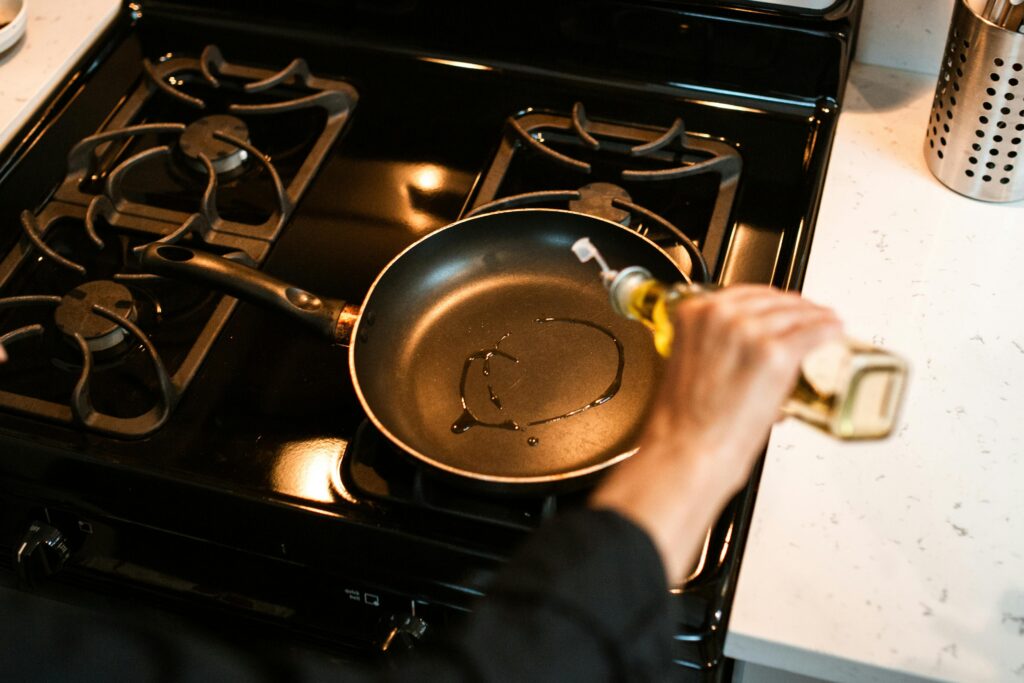
Australia’s homes and businesses are becoming more energy efficient than ever before. Tighter building codes, improved insulation, and advanced heating systems have changed the way we use and manage energy indoors. Yet as gas continues to play a central role — whether for heating, cooking, or hot water — one aspect must never be overlooked: safety.
Gas safety in energy efficient homes isn’t just about compliance. It’s about ensuring that the technologies designed to save energy don’t inadvertently create risks. As our buildings become more airtight and complex, even small gas issues can have greater consequences. This makes proper maintenance, certification, and awareness absolutely essential.
Why Gas Safety Matters Even More in Energy Efficient Homes
Modern homes are designed to retain heat, reduce air leakage, and minimise energy waste. While that’s great for your energy bills and comfort, it also means there’s less natural ventilation.
In older homes, small gas leaks might have dispersed through open windows or draughty walls. In a sealed, high-efficiency home, those same leaks can build up faster — and pose real safety concerns.
Similarly, efficient gas appliances like condensing boilers and low-emission heaters need precise installation and maintenance to operate safely. If combustion gases aren’t properly vented, carbon monoxide can accumulate indoors. That’s why even the most efficient gas systems require regular professional attention.
Energy efficiency shouldn’t come at the cost of safety. The good news is that modern gas technologies are designed with this in mind — as long as they’re installed, checked, and maintained correctly.
Understanding Gas Systems in Modern Homes
Gas systems today look very different from those of the past. Modern homes and small businesses often use a combination of:
- High-efficiency gas water heaters or hydronic systems
- Gas-boosted solar hot water setups
- Gas cooking appliances with precision burners
- Gas fireplaces with flue or balanced vent systems
These systems can deliver outstanding energy performance when properly maintained. But they’re also more technical — meaning DIY fixes or neglect can be risky.
Even something as simple as replacing a flue, modifying ventilation, or sealing a wall can affect how safely a gas appliance operates. If air supply or exhaust pathways are disrupted, incomplete combustion may occur, producing dangerous levels of carbon monoxide.
That’s why it’s critical to treat gas safety as part of the broader energy efficiency conversation. When your home gets a retrofit or upgrade, your gas setup should be reviewed at the same time.
Routine Servicing: The First Line of Defence
Regular servicing is the simplest and most effective way to keep gas systems safe. Gas appliances should be checked by a licensed gasfitter at least every two years — or annually if you use them heavily. A qualified technician doesn’t just clean burners and check seals; they also:
- Test for leaks using calibrated detection equipment
- Inspect ventilation and flue systems
- Measure carbon monoxide output
- Confirm compliance with Australian safety standards (AS/NZS 5601)
Routine servicing helps identify small faults before they become dangerous or expensive to fix. It also keeps your appliances running at peak efficiency — meaning you save money while staying safe.
In businesses or multi-tenant buildings, servicing schedules should be logged and managed systematically. It’s not just a safety precaution; it’s a legal and insurance requirement in many jurisdictions.
Detecting Gas Leaks and Carbon Monoxide Early
Gas leaks don’t always make themselves obvious, especially with newer, efficient systems where leaks can be slow and steady. That’s why early detection is crucial. Some signs to look for include:
- A faint rotten-egg smell (caused by odorants added to gas for safety)
- Hissing sounds near pipes or appliances
- Soot or yellow flames instead of steady blue ones
- Headaches, dizziness, or nausea when appliances are running
If you ever suspect a gas leak, turn off the gas at the main valve, open windows, leave the area, and contact your gas supplier or emergency services immediately. Never attempt to locate or repair leaks yourself.
Installing carbon monoxide alarms in key areas (especially near bedrooms or living zones with gas heating) provides another layer of protection. These alarms detect unsafe gas concentrations long before they become life-threatening.
Certification and Compliance: More Than Paperwork
When new gas systems are installed, upgraded, or relocated, certification isn’t optional — it’s mandatory. A compliance certificate from a licensed gasfitter confirms that the installation meets all relevant Australian Standards and local building regulations.
Beyond legal compliance, these certificates matter for another reason: they protect you. Without them, insurance claims related to gas incidents can be denied. Moreover, certified systems are easier to maintain and audit during energy assessments.
If you’re upgrading your property’s energy setup — for example, integrating solar with gas or shifting to time-of-use energy management — make sure the gas system remains compliant. It’s all connected.
In fact, when homeowners switch to smarter energy plans such as Time-of-Use (TOU) energy tariffs, understanding how gas consumption patterns interact with electricity use becomes important. A well-maintained gas system ensures you get the full benefit of efficient energy scheduling without compromising safety.
The Role of Proper Ventilation
In an energy-efficient building, every cubic metre of air is accounted for. Double-glazed windows, sealed doors, and insulation layers keep heat in — but they can also limit airflow. That’s where ventilation design comes in. Gas appliances need a steady oxygen supply to burn fuel cleanly. Without adequate air exchange, combustion efficiency drops and carbon monoxide risk rises.
Well-designed homes balance insulation with controlled ventilation, often using mechanical ventilation with heat recovery (MVHR) systems. When properly configured, these allow fresh air in while recovering heat from outgoing air — supporting both energy efficiency and safety. When gas systems and ventilation are designed together, they form a safe, efficient ecosystem rather than competing elements.
Common Mistakes to Avoid
Some of the most common gas safety issues stem from well-intentioned but incorrect home modifications. These include:
- Blocking vents to “keep heat in”
- Installing rangehoods or exhaust fans that interfere with gas flues
- Skipping professional inspections after renovations
- Using portable gas heaters in confined or unventilated rooms
Each of these can create hidden safety risks. The rule of thumb is simple: if a change affects airflow, walls, or ceilings near gas systems, get it checked.
Future-Proofing Gas Safety in Smarter Homes
As homes become more automated and data-driven, gas systems are also evolving. Smart sensors can now monitor combustion quality, gas pressure, and carbon monoxide levels in real time — alerting you or your provider if something’s off.
In the coming years, hybrid setups that combine renewable gas or hydrogen-ready appliances will become more common. These new systems will need just as much oversight and certification as today’s — if not more.
For homeowners and businesses, the goal remains the same: maximise energy efficiency while protecting health, safety, and compliance. Gas will continue to play an important role in Australia’s transition, but only if managed responsibly.
Bottomline
Energy efficiency isn’t only about saving power; it’s about doing so safely. Every well-sealed wall, every efficient appliance, and every smart system depends on proper gas safety practices to function as intended.
Whether you’re designing a new 7-Star home, managing a commercial property, or simply trying to lower your energy costs, make gas servicing and certification part of your maintenance routine. Efficiency starts with safety — and a well-maintained gas system is the quiet, unseen factor that makes your energy-efficient home truly sustainable.
If you’re looking to make your energy setup safer and smarter, connect with our team at Connect Business Energy. We’ll help you compare gas and electricity options, review your current usage, and find solutions that boost both safety and efficiency.